
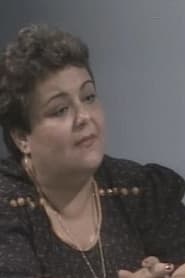
Amalia Aby Saleh
Also known as: اماليا ابي صالح · أماليا أبي صالح · Amalia Abi Saleh
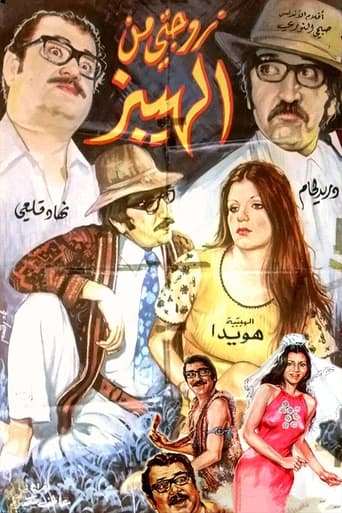
Amalia Abi Saleh, known as “Badour” in her comedic roles, was born in 1946 in the town of Dhour El-Shuwair. She was the only daughter of Michel Abi Saleh, and her childhood was happy until her parents divorced. She continued her studies at the “Zahrat Al-Ihsan” School in Achrafieh, and she was nicknamed “Hassan Sabi.” Her only friend in school was the late actress Hind Abi Al-Lama, then coincidence brought them together again on Lebanon TV, after she returned to Lebanon from Latakia, where her father had moved to work there in a shipping company in 1955, and that had distanced her from her surroundings and friends. From Latakia to Italy with my father, where I began working with an artistic dance troupe that presented entertainment shows. Her father was satisfied with her joining the band, and she traveled to all parts of the world and met a large number of artists. During one of her visits to Lebanon, she was fortunate enough to participate in a program on Lebanon Television. This was in 1964, after which she moved to a role in a skit. She then participated in the “Abu Salim” program, which was titled “The Amateur Club” at the time. She played the role of an Italian girl who did not know Arabic, and then she participated in the “Hikmat Al-Mahkama” program in 1965. She loved working in Lebanon and decided to stay there. Her artistic works continued between theater and television during the sixties and seventies, and the big meeting was with the artist “Shoshu” when she participated in his work in comedic roles that made her famous in Lebanese artistic circles: “Ustadt Shoshu”, “Farqat Namira”..., “Caviar and Lentils” with Badia Masabni, “The World is a Dollar” with the actress Nelly, and “Akh Ya Baladna”... She also acted in several cinematic films, including: “Back in the Day, Love” with Farid Al-Atrash in 1973, and the movie “My Wife is a Hippie” with the artist Duraid Lahham. After this golden age of working alongside adults, and after the outbreak of war and the cessation of work for years, she thought she would never act again, but she returned to the artistic scene with several works, and her distinguished role was in the series “The Teacher and the Professor” alongside Ibrahim Maraachli and Hind Abi Lama, and that was in 1981. As for her last role, it was in a play called “10452” with Father Fadi Tabet, and that was in the year 2004. In all of her works, Amalia Abi Saleh became famous for her wit, her sense of humor, and her creativity in comedic acting. She held many titles, but the name “Badour,” which she acquired from one of her comedic roles, stuck with her for a long time, and for nearly half a century she formed a beloved image of a talented actress who always carried laughter and joy to the hearts of the Lebanese and Arabs.
Read moreShow less
In memory of Amalia Aby Saleh
Known For

Frequent Collaborators
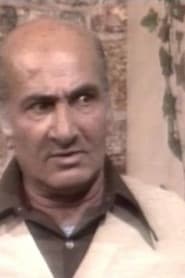
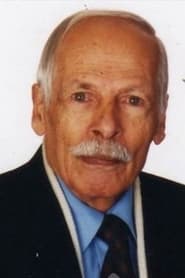
Photos
1Full Filmography
4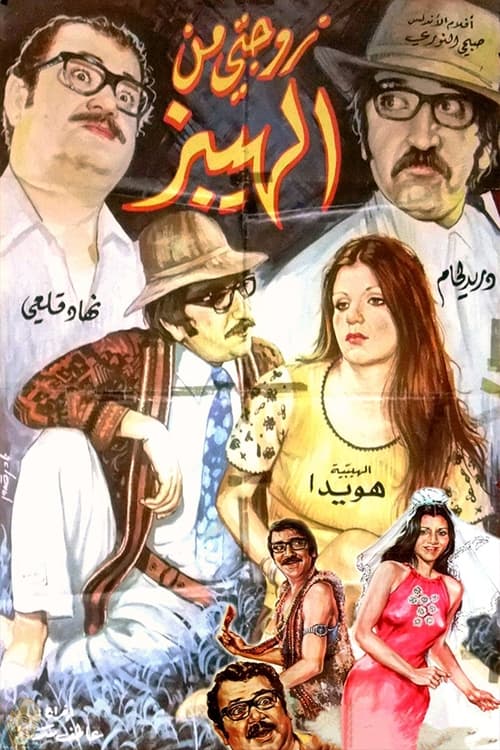

FAQ
How old is Amalia Aby Saleh?
Amalia Aby Saleh died at the age of 68.
When was Amalia Aby Saleh born?
Amalia Aby Saleh was born on January 1, 1946.
When did Amalia Aby Saleh die?
Amalia Aby Saleh passed away on January 17, 2014.
What is Amalia Aby Saleh's nationality?
Amalia Aby Saleh is لبنان.
How many works has Amalia Aby Saleh appeared in?
Amalia Aby Saleh has 4 credited works in our database.
What is Amalia Aby Saleh known for?
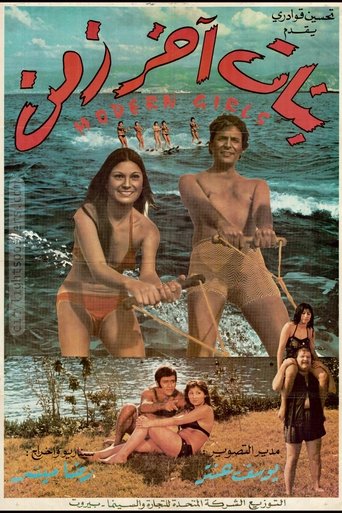
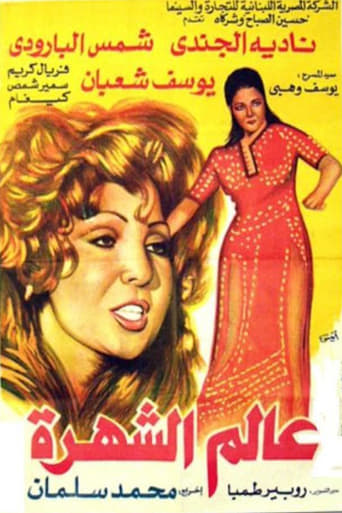
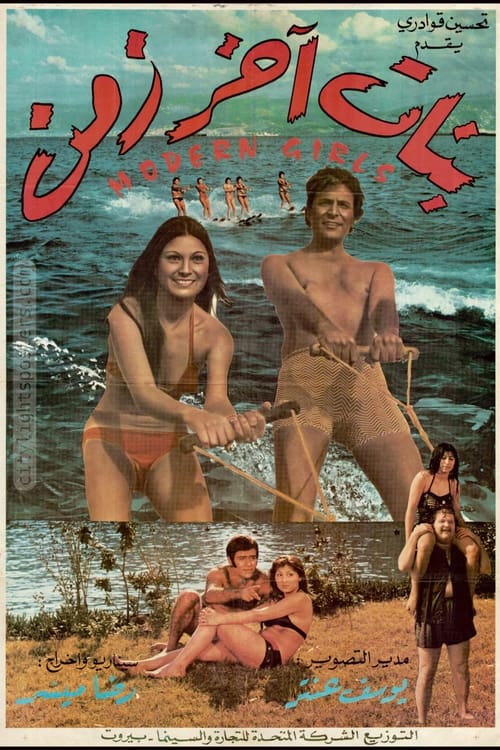
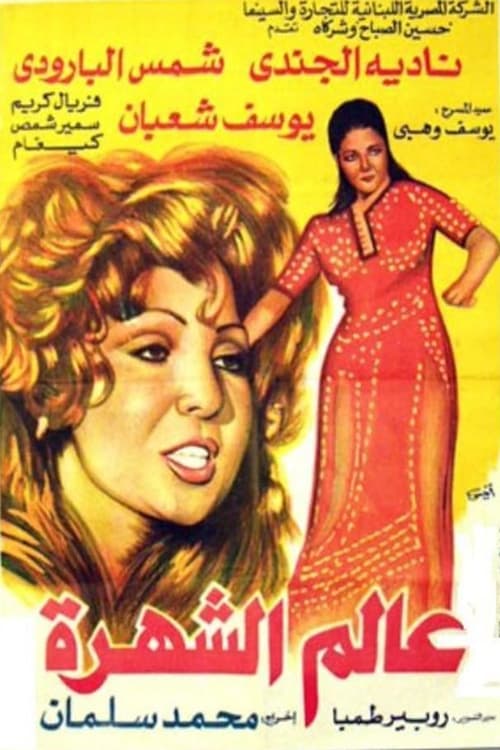
Amalia Aby Saleh is known for Girls of Modern Times, World of Fame, My Hippy Wife, Al-Hob Walmal.
Where was Amalia Aby Saleh born?
Amalia Aby Saleh was born in لبنان.