
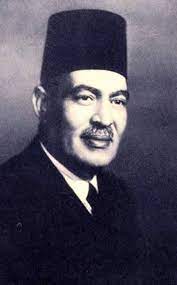
Ali Al Garem
Also known as: على الجارم
An Egyptian author and poet, born in 1881, in the city of Rosetta, Giza Governorate, Egypt.
He studied at Al-Azhar, joined the Faculty of Dar Al-Ulum, Cairo University, went to Britain on a study mission in 1908, and rose to the positions of the Ministry of Education.
In 1932, he became a member of the Arabic Language Academy. He was sent to England and spent a year in Nottingham where he studied the English language. He joined Extra University and stayed there for three years, during which he studied psychology, educational sciences, logic, and English literature. He returned to Egypt in 1912.
He was appointed as a teacher at the Middle School of Commerce, then he was transferred from there after a year to Dar Al-Ulum as a teacher of educational sciences. In May 1917, he was transferred as an inspector in the Ministry of Education, then he was promoted to the position of chief inspector of the Arabic language, and he remained there until 1940, when he was transferred as an agent for Dar Al-Ulum, where he remained until he was retired in 1942.
A multi-talented writer, he combined the talent of poetry and literary prose, and was a contemporary of great poets and writers such as Shawqi, Hafez, Taha Hussein, and Mutran.
He established the Arabic Language Academy, and had efforts in Arabization, as he Arabized the book (The Story of the Arabs in Spain). He wrote the book (The History of Arabic Literature) with others, and wrote books such as (Clear Grammar and Clear Rhetoric).
He left works such as Oppositions in Arabic Poetry, and participated in writing literary books, including (Al-Majmal fi Arabic Literature, Al-Mufassal fi Arabic Literature),
He drew from the biography of the Prophet and Islamic history his most wonderful creations, such as (Telephone from Andalusia), (Ghada Rashid) and (The Aspiring Poet). The Arab world appreciated Al-Jarm, and Egypt awarded him the Order of the Nile in 1919 and the Second Class in 1935. Iraq bestowed upon him the Order of Mesopotamia in 1936, and Lebanon bestowed upon him the Order of the Cedar, rank of Commander, in 1947.
One of his most famous works is the film Fares and Bani Hamdan
He died on February 8, 1949.
Read moreShow less
In memory of Ali Al Garem
Known For
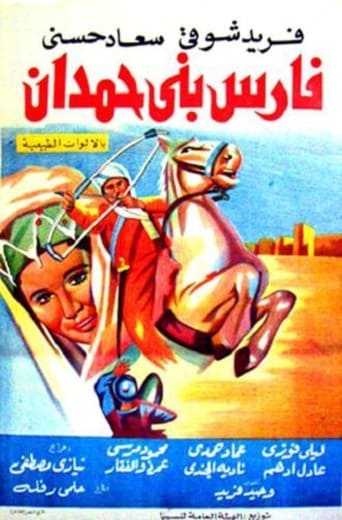
Full Filmography
1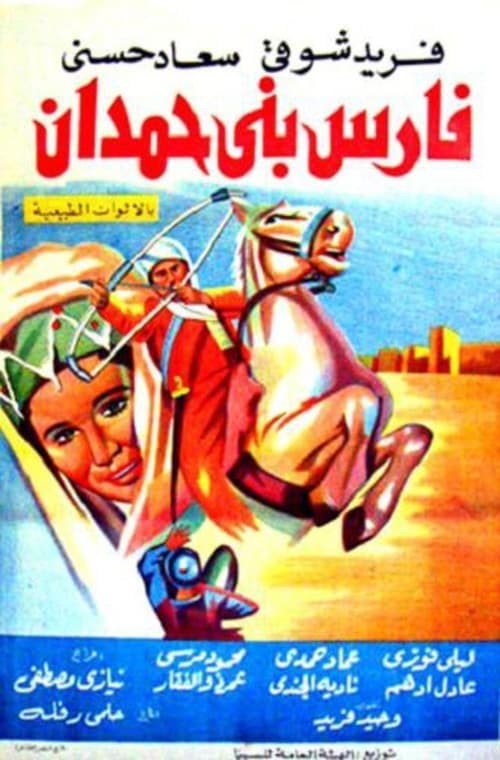
FAQ
How old is Ali Al Garem?
Ali Al Garem died at the age of 67.
When was Ali Al Garem born?
Ali Al Garem was born on November 17, 1881.
When did Ali Al Garem die?
Ali Al Garem passed away on February 8, 1949.
What is Ali Al Garem's nationality?
Ali Al Garem is Egypt.
How many works has Ali Al Garem appeared in?
Ali Al Garem has 1 credited work in our database.
What is Ali Al Garem known for?
Ali Al Garem is known for Fares Bani Hemdan.
Where was Ali Al Garem born?
Ali Al Garem was born in Egypt.