

زكريا أحمد
Also known as: كريا أحمد صقر مرزيان
Zakaria was born to an Egyptian father and a mother of Turkish origin. He joined Al-Azhar and studied there for thirteen years, during which he memorized the Holy Qur’an and studied the rules of Tajweed. Everyone attested to his mastery of recitation and the sweetness of his voice, so he gained the title of Sheikh. He became a reciter of the Qur’an and a reciter of the Prophet’s biography, so his father entrusted him to Sheikh Darwish Al-Hariri, the teacher of stanzas, then he joined him under the supervision of Sheikh Ali Mahmoud, and he benefited from him in his method of reciting the Qur’an and reciting the Mawlid, and he also benefited from him in the science of musical maqamat and Aleppo stanzas, which Sheikh Ali Mahmoud had studied with Sheikh Othman Al-Mawsili. Zakaria Ahmed met Sayyed Darwish on January 3, 1916, and took him to Cairo in an effort to introduce him to its audience, but Sayyed got angry and returned because he did not get what he deserved, and then they became friends after Sayyed settled in Cairo in 1917. He met Umm Kulthum in 1919, and he was with Sheikh Abi Al-Ela on a visit to the village of Al-Sinbillawin, where he listened to the little girl reciting some of Abi Al-Ela’s poems, and he was impressed. He had great admiration for her, and he and Sheikh Abu Al-Ela tried to convince her father and brother, Sheikh Khaled, to move to Cairo. He exerted himself in throwing concerts for her since 1922, so that the Cairo public would get to know her, but he did not contact her when she settled in Cairo in 1924. She was relying on Sheikh Abu Al-Ela, Muhammad Al-Qasabji, and Ahmed Sabry Al-Tajaridi. He began composing in 1924, then turned to composing for the musical theater in 1926, continuing Sayyed Darwish’s style in the musical theatre, especially in the field of expressing meanings, in addition to his ability to depict group scenes on the stage. Zakaria remained interested in the musical theater and then turned to his interest in Umm Kulthum after the decline of the musical theater star, due to the dominance of cinema. Umm Kulthum began composing in 1931, in the field of songs recorded on cylinders, starting with Tattuqa, “Li Habak Ya Hanah,” which achieved a new breakthrough in building this compositional template, and also continuing in the field of roles, which he excelled in composing for her, within a clear quest for innovation within the framework of authenticity. He then turned to composing songs for Umm Kulthum's films, before forming a duo with Bayram Al-Tunisi, who presented her with a collection of songs for her concerts on stage. This duo achieved successful songs, which they presented in an expressive and lyrical style at the same time. Bayram was able to write texts that adapted to the requirements of this compositional form, which Zakaria created, influenced by the school of singing in the nineteenth century. The most important of these songs were: (My beloved is having a good time), (I am waiting for you), (The groans) and (A sigh in love). In 1948, a dispute arose between him and Umm Kulthum over the artistic rights of the composer and author, because what was common was for the singer to buy the melody and text and the song became his “private” property, and he filed a lawsuit against her and the radio in court. The dispute between them lasted 12 years during which Zakaria suffered his first angina, specifically in 1953, while his case with Umm Kulthum and the radio was at its most intense. A reconciliation took place between Umm Kulthum and Zakaria in court at the beginning of 1960, at the hands of Judge Abdel Ghaffar Hosni, President of the Cairo Court, and they agreed to return to work again, so he presented to her (He is Sahih al-Hawa Ghallab), which was based on a text by Bayram al-Tunisi. He died only 40 days after the death of Bayram Al-Tunisi, his soul friend.
Read moreShow less
In memory of زكريا أحمد
Known For
Photos
1Full Filmography
2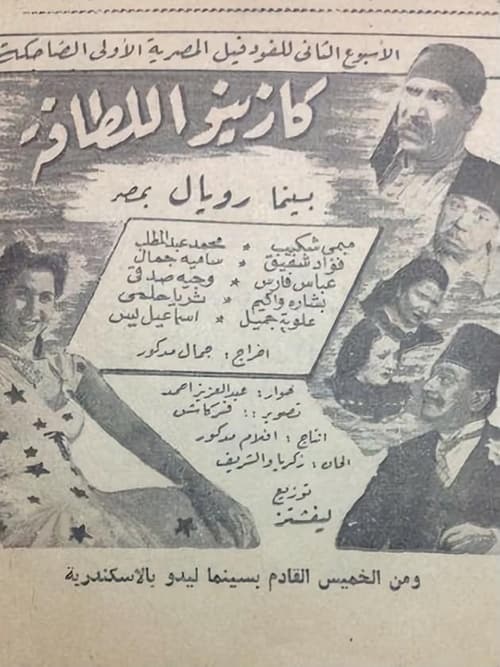
FAQ
How old is زكريا أحمد?
زكريا أحمد died at the age of 65.
When was زكريا أحمد born?
زكريا أحمد was born on January 6, 1896.
When did زكريا أحمد die?
زكريا أحمد passed away on February 14, 1961.
What is زكريا أحمد's nationality?
زكريا أحمد is Egypt.
How many works has زكريا أحمد appeared in?
زكريا أحمد has 2 credited works in our database.
What is زكريا أحمد known for?
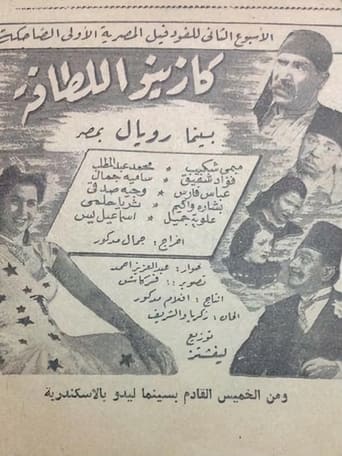
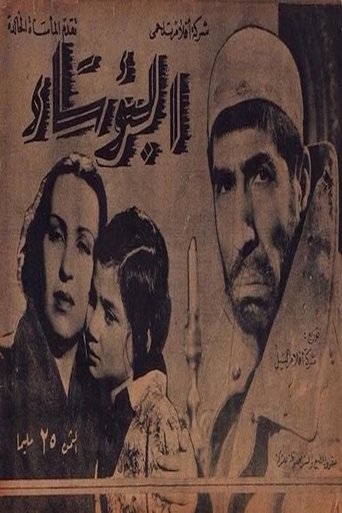
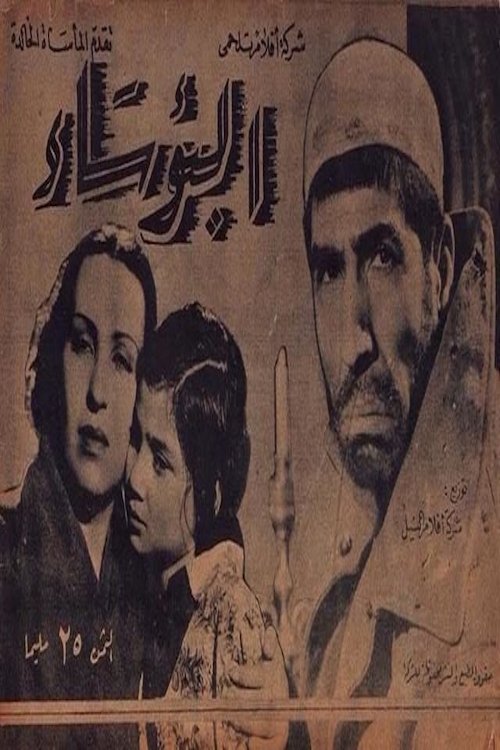
زكريا أحمد is known for Casino el latafa, Les Misérables.
Where was زكريا أحمد born?
زكريا أحمد was born in Egypt.