
Sami Al Shawa
Also known as: سامي الشّوا
We use Microsoft Clarity to understand how visitors use the site (heatmaps + session recordings). Your consent helps us improve AMDB. You can decline without affecting your use of the site.Privacy policy
Also known as: سامي الشّوا
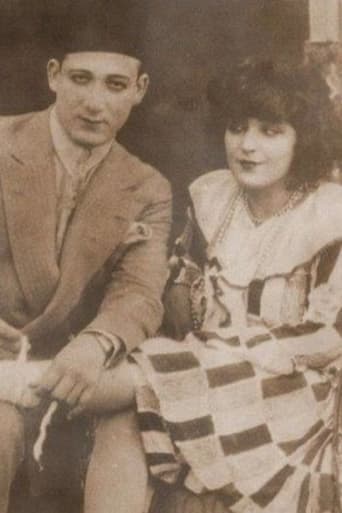
An Egyptian musician of Levantine origins, born in 1885 in the Bab al-Sharia neighborhood, Cairo, after his family moved from Aleppo to Cairo at the invitation of Ibrahim Pasha (son of Muhammad Ali), after he listened to them in Aleppo. Sami Al-Shawa began studying the origins of Arabic music in his youth. He specialized in playing the violin, then paved his artistic path with great success, and participated in the Great Takht of Muhammad al-Aqqad as a violin player, where he accompanied the singing of great male and female singers, from Abd al-Hay Hilmi and his peers until the era of Umm Kulthum and Muhammad Abd al-Wahhab. The broad masses loved him, as well as the rulers, including sultans, kings, and princes. In 1910, the Prince of Poets (Ahmed Bey Shawqi) invited him to visit Istanbul, and he played in the presence of Prince (Youssef Ezzedine), the Sultan’s Crown Prince. There, the listeners admired him, especially the great Turkish musicians, in terms of the picturesque Egyptian qaffa ends, which the people of art call (the qafla al-haraqa), and what the people of the Levant call them (the twine). Sami Shawa also played his old violin in 1928 in front of the King and Queen of Italy. It is funny that he played this violin on only one string, and the two kings were astonished. The Italian Queen gave him a gift of diamonds. Sami Al-Shawa visited many Eastern and Western countries, and played there before the kings, presidents, and peoples of Italy, Belgium, Bulgaria, Romania, Iraq, Jordan, Tunisia, Marrakesh, Iran, Syria, and Lebanon. He visited Brazil, Argentina, and Chile to play in front of the Syrian-Lebanese community there. Shawa died on December 23, 1965.
Read moreShow less