

Lounès Matoub
Also known as: لوناس معتوب
Lounès Matoub (Kabyle: Maɛtub Lwennas; 24 January 1956 – 25 June 1998) was an Algerian Kabyle singer, poet, and thinker who sparked an intellectual revolution, and mandole player who was an advocate of the Amazigh cause, human rights, and secularism in Algeria throughout his life.
Matoub was shunned and criticized by many Algerian Arabs for his secular, atheist politics, his militant advocacy of Berber rights and blasphemous rock songs, making him unpopular among both warring parties during the Algerian Civil War. His assassination, claimed by the Armed Islamic Group (GIA), in unclear circumstances, provoked violent riots in Kabylia.
Lounes Matoub was born on 24 January 1956 in the village of Taourirt Moussa belonging to the Aït Mahmoud in Kabylia. He was raised by his mother and grandmother in the absence of his father. When he turned 9, he built his first guitar from an empty car oil can and composed his first songs as a teenager. In his youth, Matoub was particularly fond of the White Fathers, who were French Catholic missionaries who were in charge of schools in Kabylia with a secular curriculum, because they spoke Kabyle and spoke to him about Berber history especially the Berber king Jugurtha. His political and cultural identity was awakened by armed confrontations between Kabylians and government forces in 1963–1964. In 1968, the Algerian government introduced a policy of Arabization in the education system. Matoub reacted by skipping school; his memoirs recall: "We had to give up Berber and reject French. I said no! I played hooky in all my Arabic classes. Every class that I missed was an act of resistance, a slice of liberty conquered. My rejection was voluntary and purposeful." By 1975, he had abandoned formal education. He left for France in search of work.
Matoub began his singing career under the patronage of the established singer Idir. He recorded his first album Ay Izem (The Lion) in 1978; it was a phenomenal success. He went on to record 36 albums, as well as writing songs for other artists. He gave his first major concert in April 1980, at the time of the "Berber Spring" protest movement in Kabylia.
His music mixes Algerian Andalucian Chaabi orchestration with politicized Kabyle (Berber) lyrics, and covers a broad variety of topics including the Berber cause, democracy, freedom, religion, Islamism, love, exile, memory, history, peace and human rights.
Read moreShow less
Biography excerpt from Wikipedia, licensed under CC BY-SA 4.0
In memory of Lounès Matoub
Known For
Full Filmography
1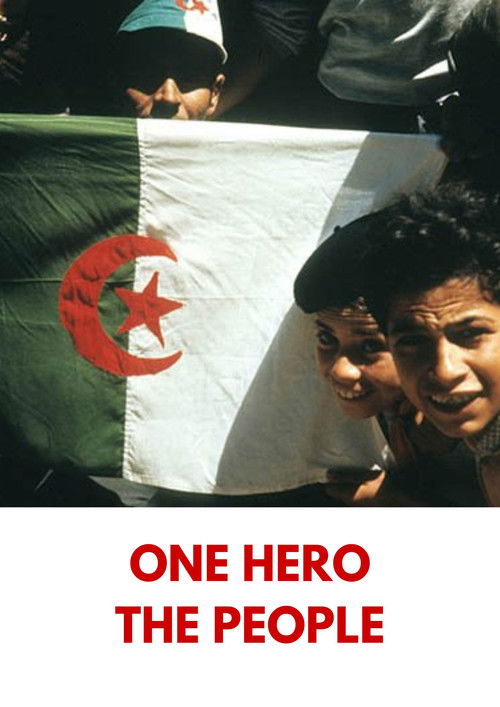
FAQ
How old is Lounès Matoub?
Lounès Matoub died at the age of 42.
When was Lounès Matoub born?
Lounès Matoub was born on January 24, 1956.
When did Lounès Matoub die?
Lounès Matoub passed away on June 25, 1998.
What is Lounès Matoub's nationality?
Lounès Matoub is Algeria.
How many works has Lounès Matoub appeared in?
Lounès Matoub has 1 credited work in our database.
What is Lounès Matoub known for?
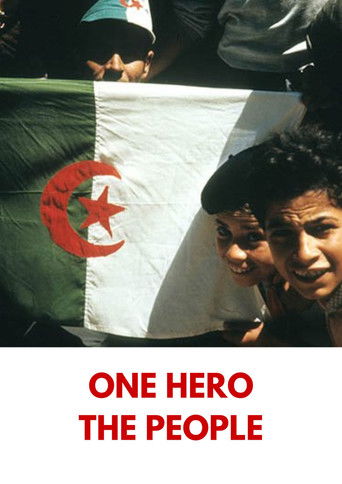
Lounès Matoub is known for One Hero, The People.