
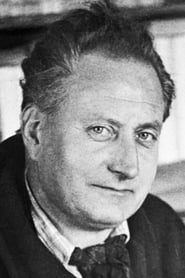
Jean Giono
- Writer
- Screenwriter
- Poet
- Director
Also known as: جان جيونو
Jean Giono (30 March 1895 – 8 October 1970) was a French writer who wrote works of fiction mostly set in the Provence region of France.
Jean Giono was born to a family of modest means. His father a cobbler of Piedmontese descent and his mother a laundry woman. He spent the majority of his life in Manosque, Alpes-de-Haute-Provence. Forced by family needs to leave school at the age of sixteen and get a job in a bank, he nevertheless continued to read voraciously, in particular the great classic works of literature including the Bible, Homer's Iliad, the works of Virgil, and the Tragiques of Agrippa d'Aubigné. He continued to work at the bank until he was called up for military service at the outbreak of World War I. He took part in the Battle of Verdun. The horrors he experienced on the front lines turned him into an ardent and lifelong pacifist. In 1919, he returned to the bank, and a year later, married a childhood friend with whom he had two children. Following the success of his first published novel, Colline (1929) (which won him the Prix Brentano earned $1,000, and drew an English translation of the book), he left the bank in 1930 to devote himself to writing on a full-time basis.
Colline was followed by two more novels heavily influenced by Virgil and Homer, Un de Baumugnes (1929) and Regain (1930), the three together comprising the famous “Pan trilogy”, so-called because in it Giono depicts the natural world as being imbued with the power of the Greek god Pan. The other novels Giono published during the nineteen-thirties on the whole continued in the same vein—set in Provence, with peasants as protagonists, and displaying a pantheistic view of nature. Marcel Pagnol based three of his films on Giono's work of this period: Regain, starring Fernandel and with music by Honegger; Angèle, and La Femme du boulanger, with the actor Raimu.
Throughout the nineteen-thirties, Giono expressed the pacifism he had adopted as a result of his experiences during World War I in novels such as Le grand troupeau (1931), and pamphlets such as Refus d’obéissance (1937), and the Lettre aux paysans sur la pauvreté et la paix (1938). This in turn resulted in his forming a relationship with a group of like-minded people including Lucien Jacques and Henri Fluchère among others, who gathered each year in the hamlet of Contadour, and whose pacifist writings were published as the Cahiers du Contadour.
Read moreShow less
Biography excerpt from Wikipedia, licensed under CC BY-SA 4.0
In memory of Jean Giono
Known For
Photos
1Full Filmography
1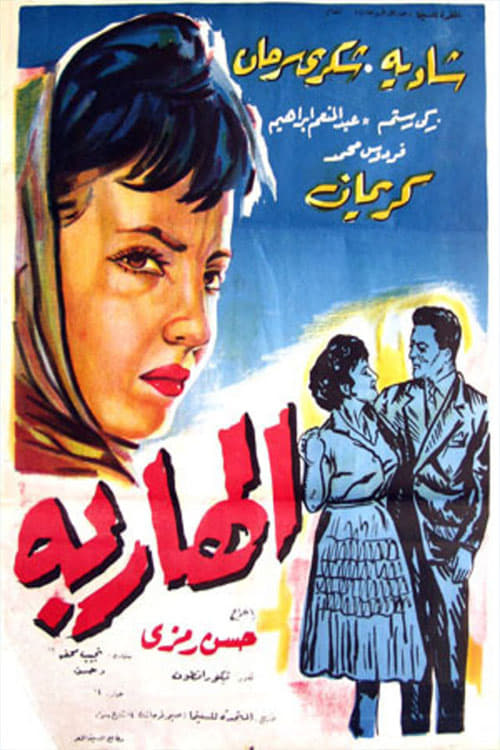
FAQ
How old is Jean Giono?
Jean Giono died at the age of 75.
When was Jean Giono born?
Jean Giono was born on March 30, 1895.
When did Jean Giono die?
Jean Giono passed away on October 8, 1970.
How many works has Jean Giono appeared in?
Jean Giono has 1 credited work in our database.
What is Jean Giono known for?
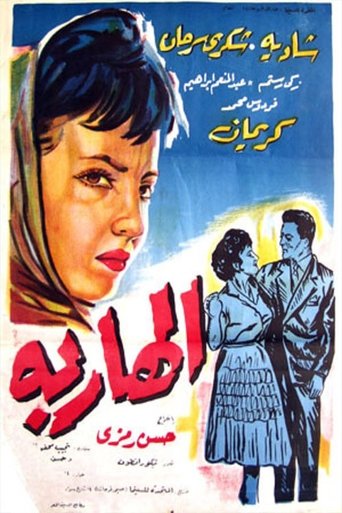
Jean Giono is known for The Fugitive.
Where was Jean Giono born?
Jean Giono was born in Manosque, Alpes-de-Haute-Provence, France.