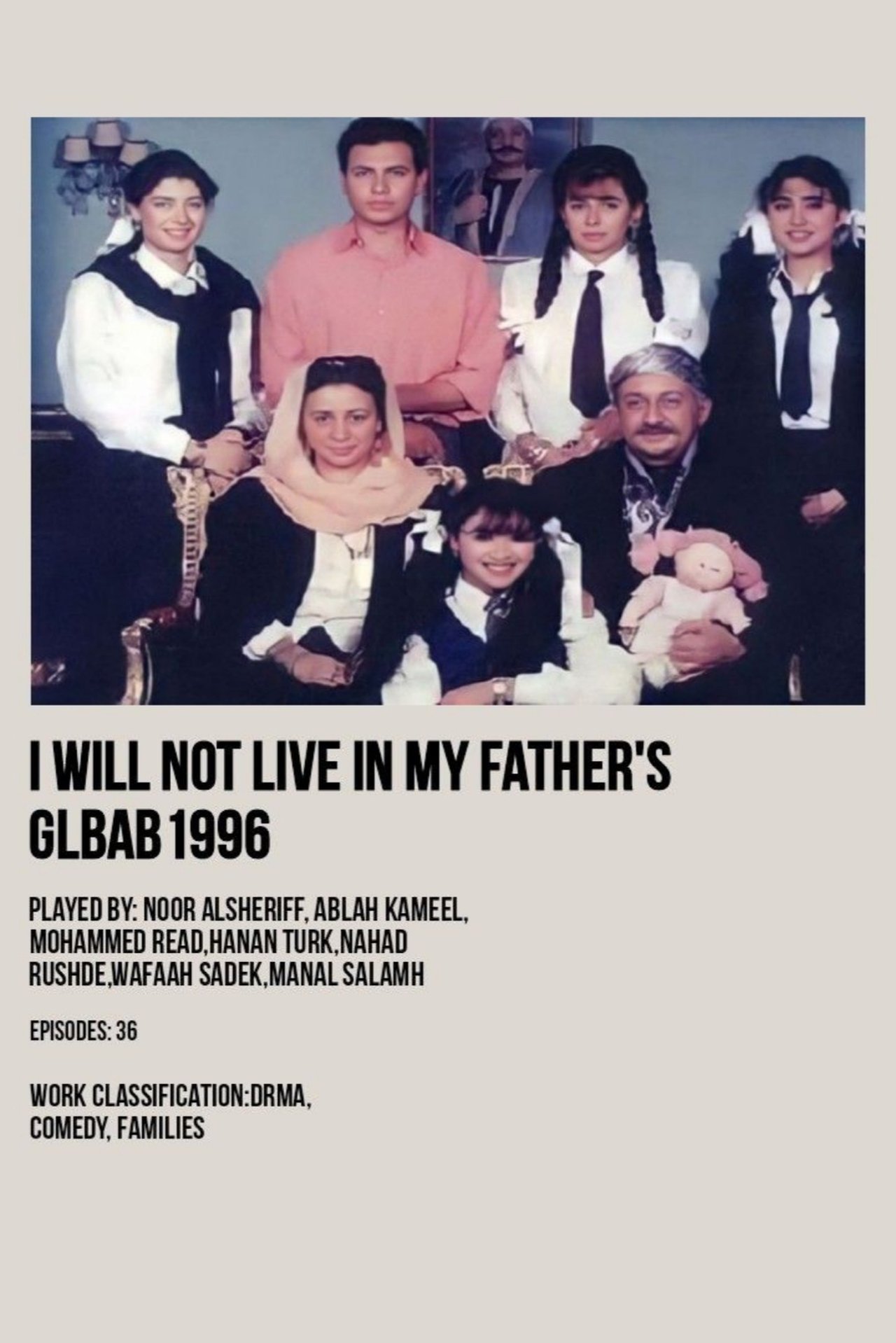
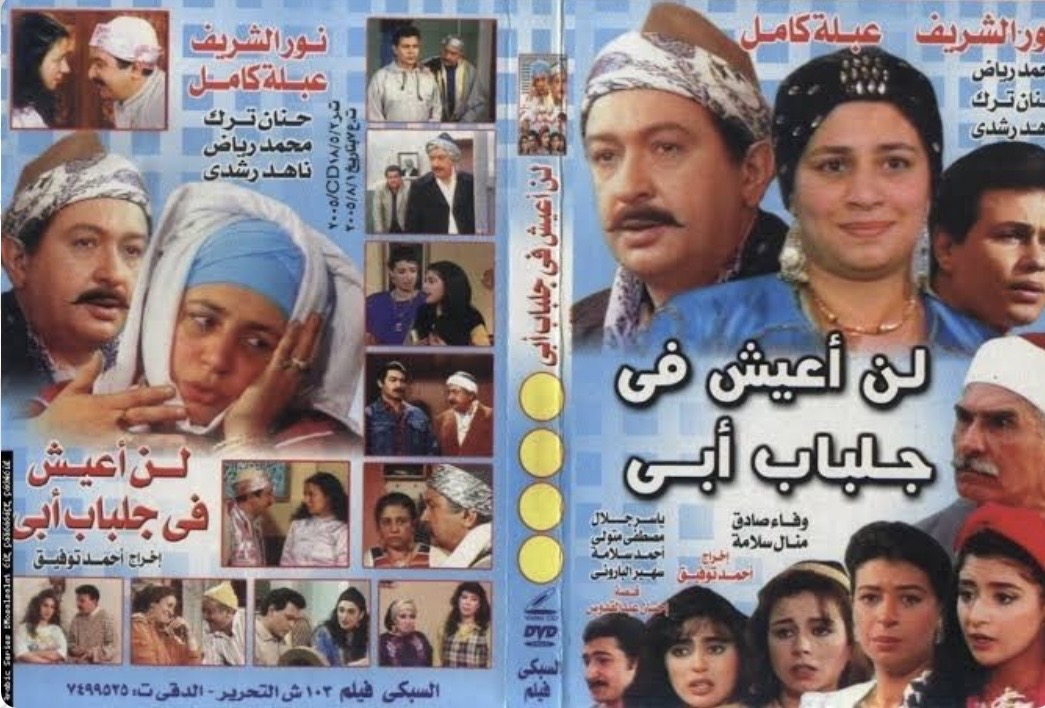
Some works you watch and forget within a week. And some works lodge themselves in the conscience of an entire people and stay there for decades. This Nour El-Sherif Egyptian drama series, Lan Aish Fi Galbab Abi, most certainly belongs to the second kind.
On its surface, the story is about a poor man named Abdel Ghafour El-Baraei — brought to unforgettable life by Nour El-Sherif — who starts from nothing in the Wikalat El-Balah district and works his way up, through grit and cunning, until he becomes one of the biggest businessmen in Egypt.
But the real story begins once Abdel Ghafour succeeds and grows powerful — and his son Abdel Wahab (Mohammad Reyad) refuses to live in his father's shadow and insists on building his own life with his own hands. That conflict is no ordinary dramatic clash; it is a genuine philosophical question about identity, independence, and the bond between a father and his son.
Abla Kamel, as Fatima the koshari seller, gives a performance that deserves to be studied. The simplicity of the character and its depth, held at once, were a mirror for every Egyptian woman who built her home from nothing. The chemistry between her and Nour El-Sherif felt so real that the viewer never sensed they were watching acting at all.
What makes this series a true icon is that it never ages. Every generation that watches it finds itself reflected in it — the young man who wants to prove himself, the father afraid of his loneliness, the mother who stood in the middle. The story is fully human, and bound to no particular time.
More Than Success
The series isn't only about success — it's about the harder question: once you succeed and build everything, what's left for you if your son decides to walk his own road?
A second part with a new cast has reportedly entered preparation, but the project faces major challenges after the passing of several stars from the first part and the retirement of Abla Kamel. Audiences are split between those excited by the idea and those fearful for the icon itself.
Thirty years after its first broadcast, the series is still rerun on the old Maspero channel and still gathers viewers across different generations. That isn't merely success — that's immortality.
The series is adapted from a novel of the same name, Lan Aish Fi Galbab Abi, by the great writer Ihsan Abdel Quddous, with the screenplay and dialogue by Mostafa Moharram, who shaped the tale into a deep dramatic mold.