The Story of Capernaum: A Child Who Sues His Parents for Bringing Him Into the World
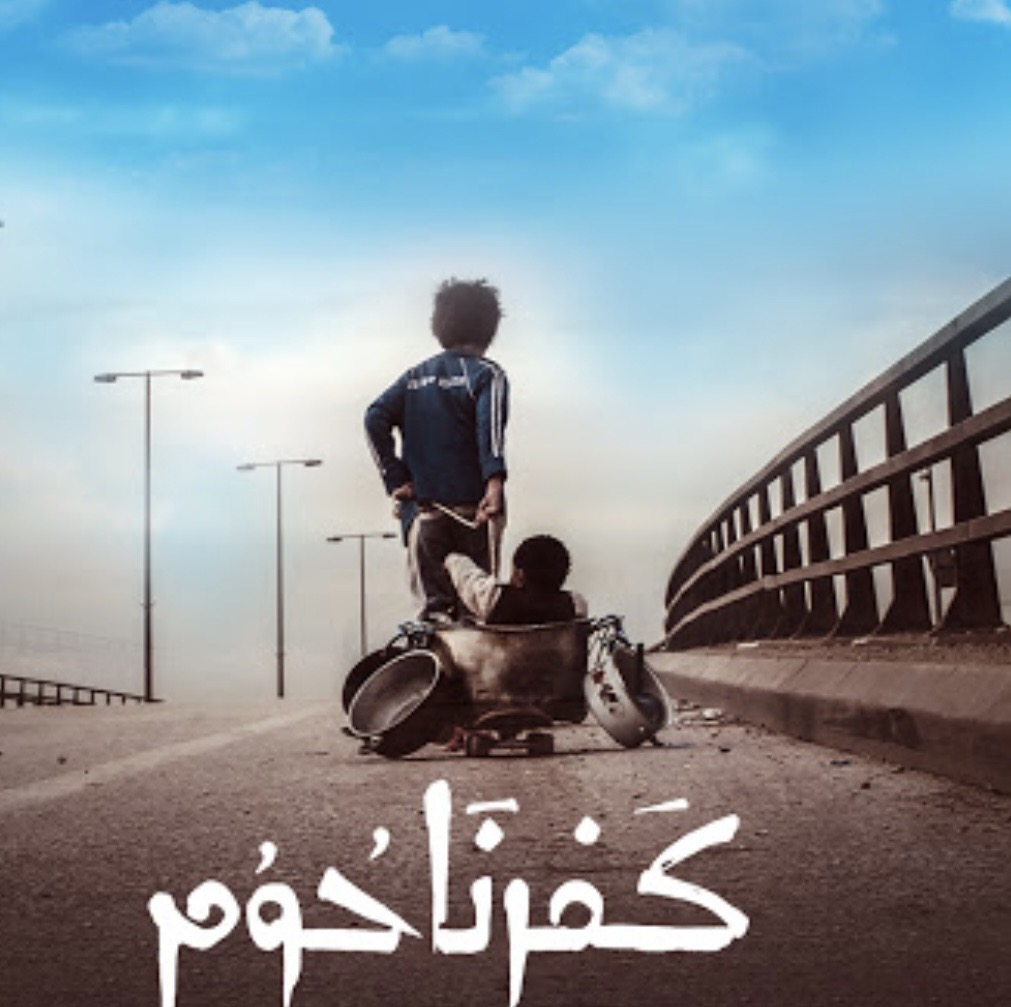
The Capernaum film tells the story of a small Lebanese boy living in conditions of extreme poverty, who takes his parents to court for bringing him into such a harsh life. That single premise is enough to ignite dozens of questions in the viewer before the first hour even begins.
Capernaum tells its story through flashback, centering on the life of Zain, including his encounter with the Ethiopian migrant "Rahil" and her infant son "Yonas." We watch the world around him collapse step by step — the marrying off of his underage sister, his flight from home, life on the streets, and finally the crime that lands him in the dock.
Capernaum is a film that tackles the plight of marginalized children deprived of papers to prove their identity in Lebanon. These children exist in reality — they eat, they suffer, they dream — yet in the eyes of the state they do not exist at all.
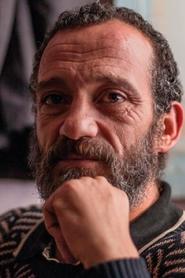
Zain Al Rafeea — A Real Refugee on a Real Screen
The Syrian child Zain Al Rafeea could barely write his own name when Lebanese director Nadine Labaki discovered him on a street in Beirut and chose him to play the lead in her film. This alone redefines what "natural performance" means — Zain did not act out a measure of pain, he carried it with him from real life to the camera.
Emily Yoshida of Vulture described Zain Al Rafeea as having "an astonishing, unforgettable presence." His performance in the courtroom scene is one of the most powerful moments Arab cinema has witnessed in the past decade — a single look from his eyes says what no word could ever say.
The cast of Nadine Labaki's Capernaum are the heroes of real life, people who had never stood before a camera, and here they earned their leading roles. Casting actors drawn from reality was a bold decision, but it was the only right one for this film in particular.
The Counterargument: Does the Film Deliberately Wring Out Tears?
To be honest, Capernaum is not beyond criticism. Some critics argue that Nadine Labaki resorted to playing on emotions by depicting a painful story, and that her clear aim was to draw out feeling in order to reach an audience in tears.
Labaki overloaded her film with issues until she reached a point of no resolution, then threw in an ending that cuts off any real narrative development. There is merit to this criticism — the film opens dozens of wounds without ever claiming to hold the cure.
But the question remains: is there really any fault in a film moving you to tears over a real reality? Perhaps the problem is not the tears, but the fact that we do nothing afterward.
A Film That Changed Its Real-Life Star's Life
The film won the Jury Prize at the 71st Cannes Film Festival in 2018 amid a 15-minute standing ovation — a rare moment in the history of Arab cinema.
Capernaum is the highest-grossing Arab film, and the highest-grossing film in the Middle East of all time, after achieving major success at the international box office with more than 68 million US dollars worldwide against a production budget of 4 million US dollars. It is an extraordinary equation no Arab film had achieved before it.
The child Zain Al Rafeea, who had been living with his Syrian refugee family in Beirut, was resettled along with his family in Norway after the film's success — as if cinema here did what politics could not.
AMDB rating for Capernaum: 9/10 A masterpiece of human cinema — it breaks you and builds you back up again. One of the most important Arab films in history.